
Surely you have noticed how Terceira changes every summer?
The flights become harder to book, rental cars disappear, restaurants have a longer wait than they did in April, and every café seems to have one more table of people catching up over coffee. You’ll hear more English being spoken, but not always by tourists. The festas are bigger, the sidewalks are busier, and there always seems to be someone stopping for “just a quick hello” that somehow turns into a half-hour conversation.
What was the first thing that made you realize summer on Terceira was different?
When I first moved here, I assumed it was simply tourism. Every year, thousands of people discover Terceira for the first time. They come to experience Sãojoaninas, explore the coastline, visit Algar do Carvão, watch a tourada à corda, or simply enjoy life on an island where people still seem to have time for one another.
It didn’t take long, though, to realize there was another story unfolding that many newcomers don’t immediately recognize.
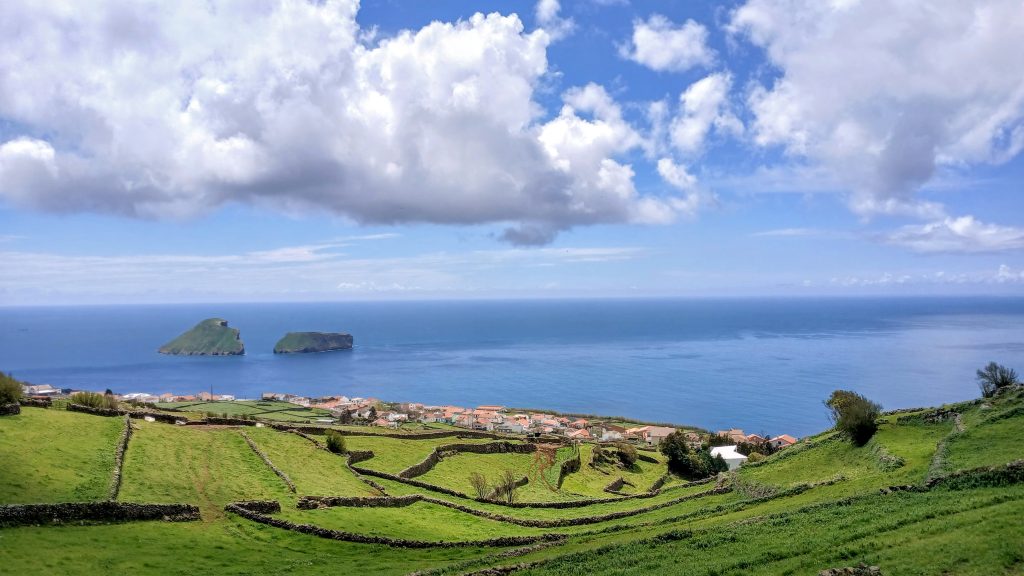
Like many Azorean families, generations of Terceirenses left the island to build lives elsewhere. Some settled in Massachusetts and Rhode Island. Others found opportunities in California, Ontario, Quebec, and communities across North America. They raised families, built successful lives, and became part of thriving Portuguese communities, but they never completely left Terceira behind. Every summer, that connection comes alive again as families make the trip back to the island where parents grew up, grandparents still live, and cousins gather around the same dinner tables they have for generations. Do you know the word for this- the longing and homesickness for Terceira?
Once you recognize that, you begin to see the island differently. The house down the street that looked quiet all winter suddenly has four cars parked outside. A family that normally has dinner for four suddenly has fourteen around the table. Grandparents are surrounded by grandchildren they may only get to hug once a year. One table at the café is speaking Portuguese. The next is speaking English. Another switches effortlessly between both languages without anyone giving it a second thought. Children who haven’t seen each other since last August are somehow best friends again within minutes.
You also begin to understand why the festas feel the way they do. They’re not simply community celebrations. For many families, they’re reunions. They’re one of the few times each year when everyone can be together, which makes the conversations a little longer and every goodbye a little harder.
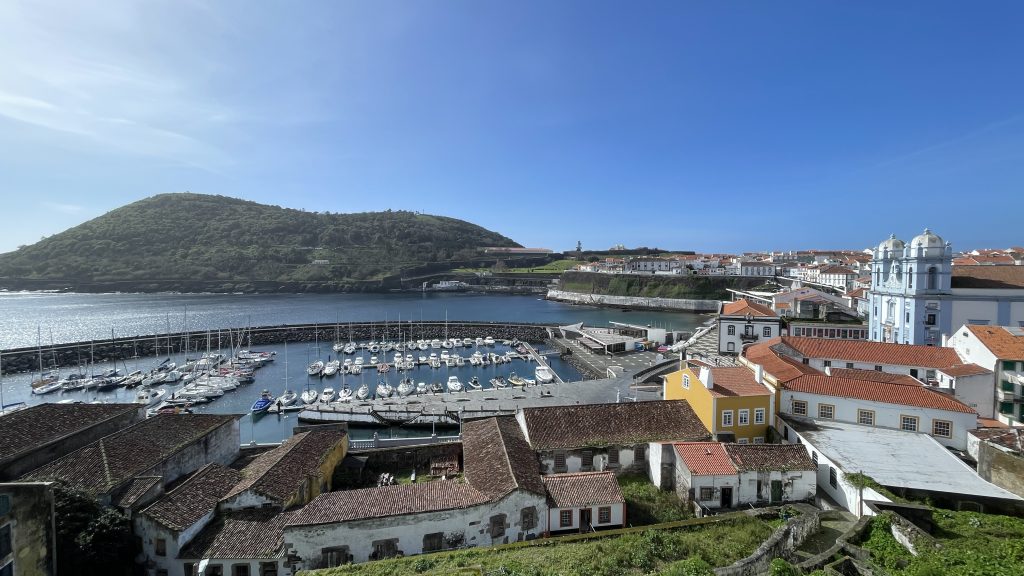
Have you ever found yourself wondering whether the people around you are visitors… or people returning home?
That thought made me curious just how much busier the island actually becomes each summer, so I started digging through the SREA airport statistics. The numbers were intersting. Terceira has just over 54,000 year-round residents, yet the airport typically welcomes around 50,000 arriving passengers in June alone. By July, that climbs past 60,000, and August is even busier. Between June and August of last year, nearly 180,000 passengers arrived at Lajes Airport.
Those figures don’t mean there are 180,000 extra people on the island at the same time. They include tourists, residents returning from travel, business travelers, and members of the Azorean diaspora coming home to visit family. Still, they help explain why summer feels so different. In just three months, the airport welcomes arriving passengers equivalent to more than three times the island’s resident population.
I think that’s one of the things I’ve come to appreciate most about living here. In many places around the world, people leave and gradually lose touch with where they came from. Here, the ties seem remarkably strong. Children grow up in Canada or the United States knowing the names of villages on Terceira. Families save their vacation time so they can return each summer. Grandparents count the weeks until everyone is together again.
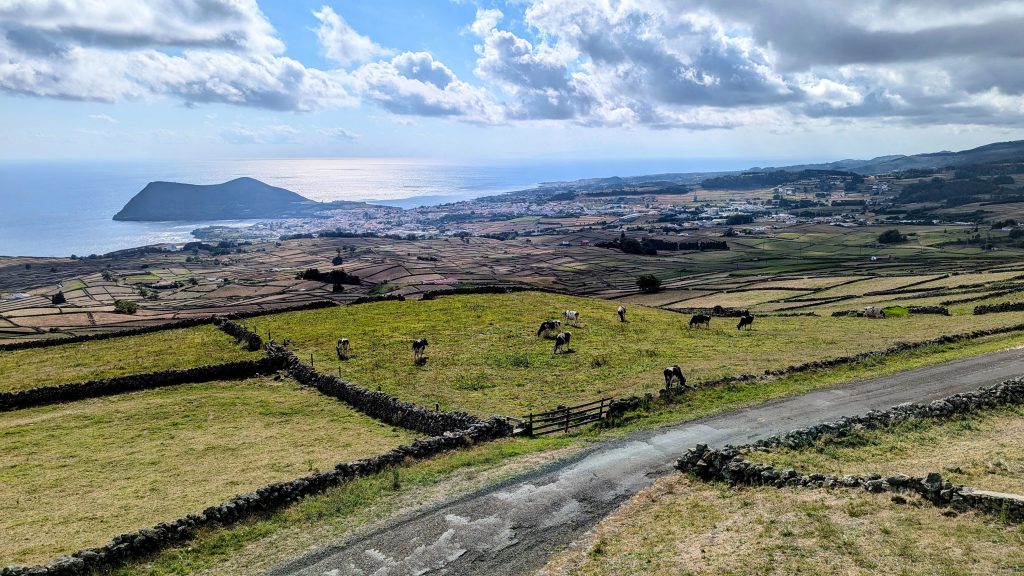
As someone who wasn’t born here but chose to make Terceira home, I’ve come to appreciate that tradition more with each passing year. It’s one of those things you don’t fully understand until you’ve watched the cycle repeat itself a few times. By September, the airport gets quieter, the cafés have a few empty tables again, and life slips back into its familiar rhythm. A few months later, everyone starts looking forward to next summer, when families from both sides of the Atlantic will make the journey once again.
If there’s one thing I’ve learned, it’s that summer on Terceira isn’t just about visitors discovering the island. It’s also about families rediscovering each other.
Did you know the word for this- the longing and homesickness for Terceira, and other Azores and Portuguese places?
Saudade is a Portuguese word that has no exact single-word equivalent in English. It describes a deep emotional state of melancholic longing or nostalgic yearning for an absent person, place, or thing, often paired with a haunting sense that the object of longing might never return.
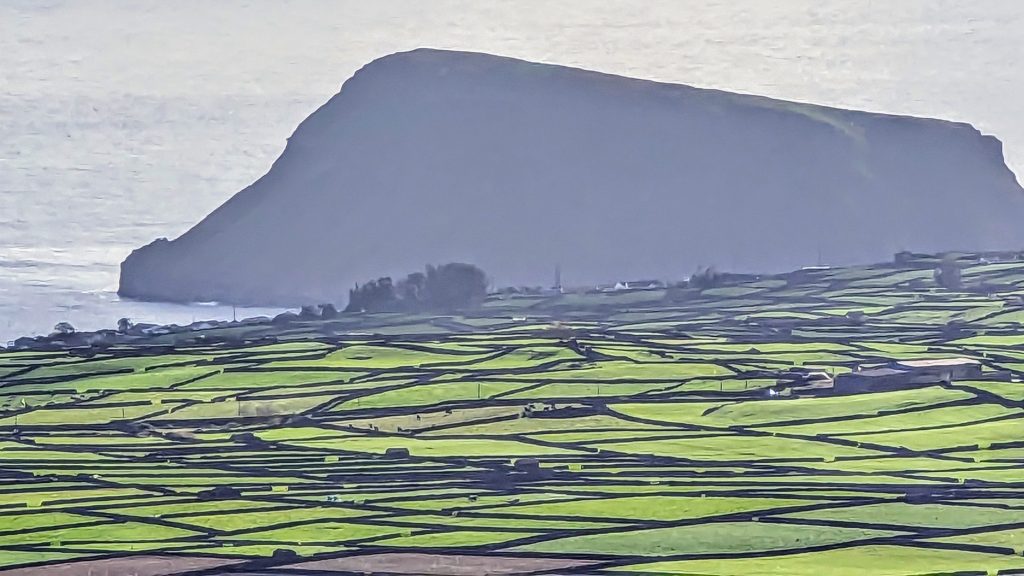
If you grew up on Terceira and now live abroad, what does coming home each summer mean to you? And if you’ve made Terceira your home from somewhere else, when did you first realize that summer here is about much more than tourism?